
The image is pure paradise: silica sand so white it dazzles, water so turquoise it seems unreal. But for many travelers dreaming of Whitehaven Beach, a single, nagging question can surface: What about sharks at Whitehaven Beach, Australia? It’s a natural concern, especially when visiting a famous Australian beach.
The thought of these creatures can cast a shadow over the dream of a perfect swim. But here’s the truth you need to know: while sharks do live in the waters of the Whitsundays, as they do in most of the world’s oceans, the risk to swimmers at a place like Whitehaven Beach is incredibly low. Let’s dive into the facts, separate fear from reality, and give you the knowledge you need to enjoy the water with confidence.
The Simple Truth About Sharks in the Whitsundays
First, it’s important to understand that the ocean is a wild ecosystem, and sharks are a natural part of it. The Whitsunday Islands are located in the Coral Sea, which is home to a diverse range of marine life, including several species of sharks.
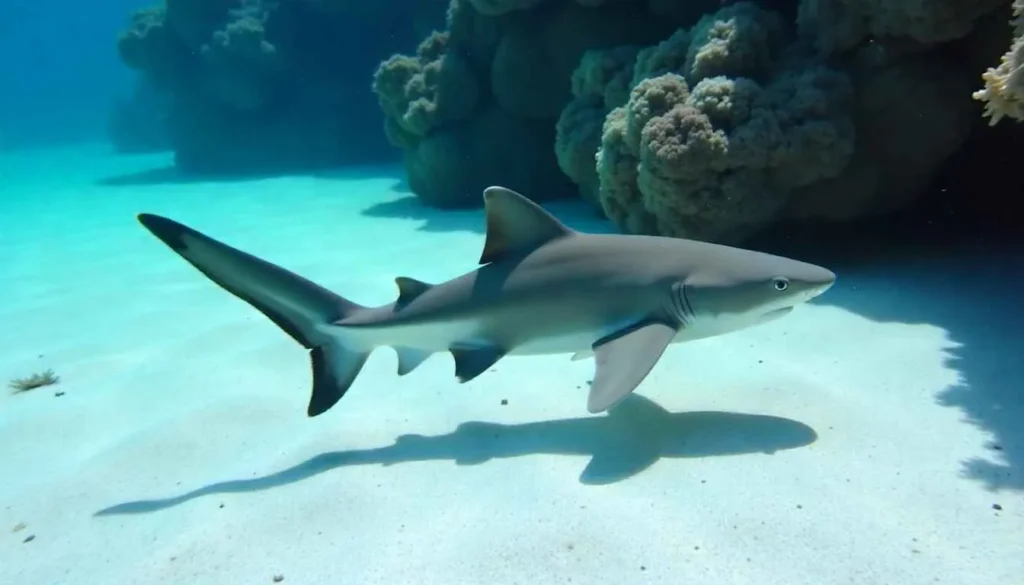
However, the types of sharks most commonly found in the sheltered bays and around the islands are not the large, dangerous species that make headlines. You are far more likely to encounter small, harmless reef sharks like the white tip or black tip reef shark. These sharks are typically timid, avoid human contact, and are no more dangerous than the fish swimming around them. They are a normal and healthy part of the coral reef environment.
Is It Safe to Swim at Whitehaven Beach?
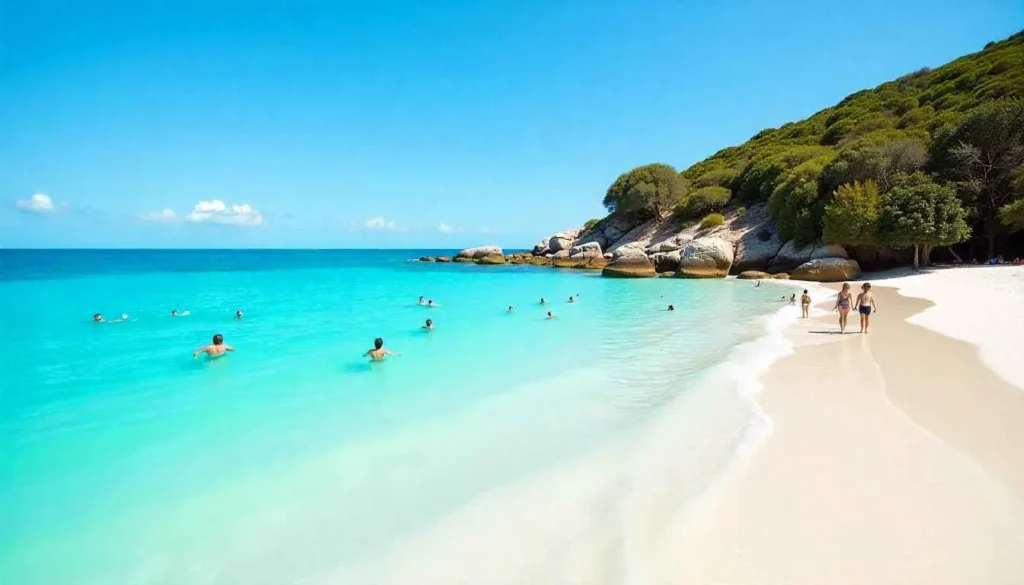
The short answer is yes, it is generally considered very safe to swim at Whitehaven Beach. There are several reasons for this:
The Sheltered Location: Whitehaven Beach is located in a relatively sheltered bay on Whitsunday Island. The clear, shallow waters close to shore are not the typical hunting ground for large predatory sharks, which prefer deeper, more open waters.
Low Historical Risk: There has never been a recorded fatal shark incident at Whitehaven Beach itself. While the broader Whitsunday region has had rare, isolated incidents in the past, these are statistical anomalies and do not reflect the daily reality for the hundreds of thousands of people who swim here safely every year.
Visibility: The water is exceptionally clear, allowing you to see your surroundings. This alone provides a great sense of security for most swimmers.
The risk of a shark encounter is astronomically lower than many other common everyday dangers, like driving a car or even slipping on the beach. The intense media coverage of rare shark incidents creates a perception of risk that doesn’t match the statistical reality. For more about Whitehaven Beach, Australia Sharks: Understanding the Reality, visit our guide on beachythings.site.
Smart Safety Tips for Swimming in Any Australian Ocean
While the risk is minimal, it’s always wise to be “ocean smart.” These simple precautions are good practice at any Australian beach, including Whitehaven.
Swim Between the Flags: On patrolled beaches, always swim between the red and yellow flags. While Whitehaven Beach itself is not patrolled by lifeguards, this is a golden rule for any Australian beach that is.
Avoid Dusk and Dawn: Sharks are most active during low-light hours, at dawn and dusk. It’s best to enjoy your swim during the middle of the day.
Avoid Areas with Baitfish: If you see large schools of small fish jumping out of the water, it might be best to stay out. Where there are baitfish, there can be larger predators.
Don’t Swim in Murky Water: Sharks can be more curious in water where visibility is low. Luckily, this is rarely a problem at Whitehaven!
Heed Local Warnings: Always pay attention to any signs posted at the beach or advice from your tour operator.
For more practical advice on enjoying Australia’s incredible natural wonders safely, explore beachythings.site.
What About the “Stinger” Season?
A more common and present concern for swimmers in the Whitsundays is the marine stinger (jellyfish) season, which runs from November to May. During this time, it is highly recommended to wear a “stinger suit”, a thin, full-body Lycra suit, while swimming. These suits are provided by all reputable tour operators and protect against the potentially dangerous Irukandji jellyfish. Interestingly, the pale color of these suits may also help reduce the very remote chance of a shark investigation, as you look less like a natural food source.
The Final Word: Don’t Let Fear Hold You Back
The fear of Whitehaven Beach Australia sharks is understandable, but it shouldn’t stop you from experiencing the magic of this place. The reality is that you are in far greater danger from the sun’s UV rays or strong currents than you are from a shark.
The incredible beauty of Whitehaven Beach is a once-in-a-lifetime experience. The feeling of that cool, silky water and the sight of that stunning landscape is something you will carry with you forever. By being aware, not fearful, and following simple ocean safety guidelines, you can wade into those turquoise waters with peace of mind, ready to create a perfect memory in paradise.
All images are generated by Freepik.
Frequently Asked Questions (FAQs)
There has never been a recorded fatal shark attack at Whitehaven Beach. The Whitsunday region as a whole has had a very small number of rare, isolated incidents over many decades, but these are not representative of the risk to swimmers at Whitehaven.
The sharks most commonly seen are small, non-aggressive reef sharks like blacktip and whitetip reef sharks. These sharks are typically 1-1.5 meters long, are not interested in humans, and are a normal part of the healthy reef ecosystem
No, Whitehaven Beach does not have shark nets or enclosures. It is a pristine, protected national park, and such structures are not used as they can harm other marine life. Safety is managed through awareness and personal responsibility.
Swimming in shallow water is generally a good practice, as it keeps you in a zone that is less frequented by larger marine animals. However, always be mindful of your own swimming ability and any currents.
The two most significant risks are sun exposure and marine stingers (during the season from November to May). Always wear a high-SPF, reef-safe sunscreen and a protective stinger suit when provided by your tour operator.
Pingback: Finding Your Paradise: A Guide to the Best Koh Kood Resorts