

Best Time To Visit Playa Balandra Beach
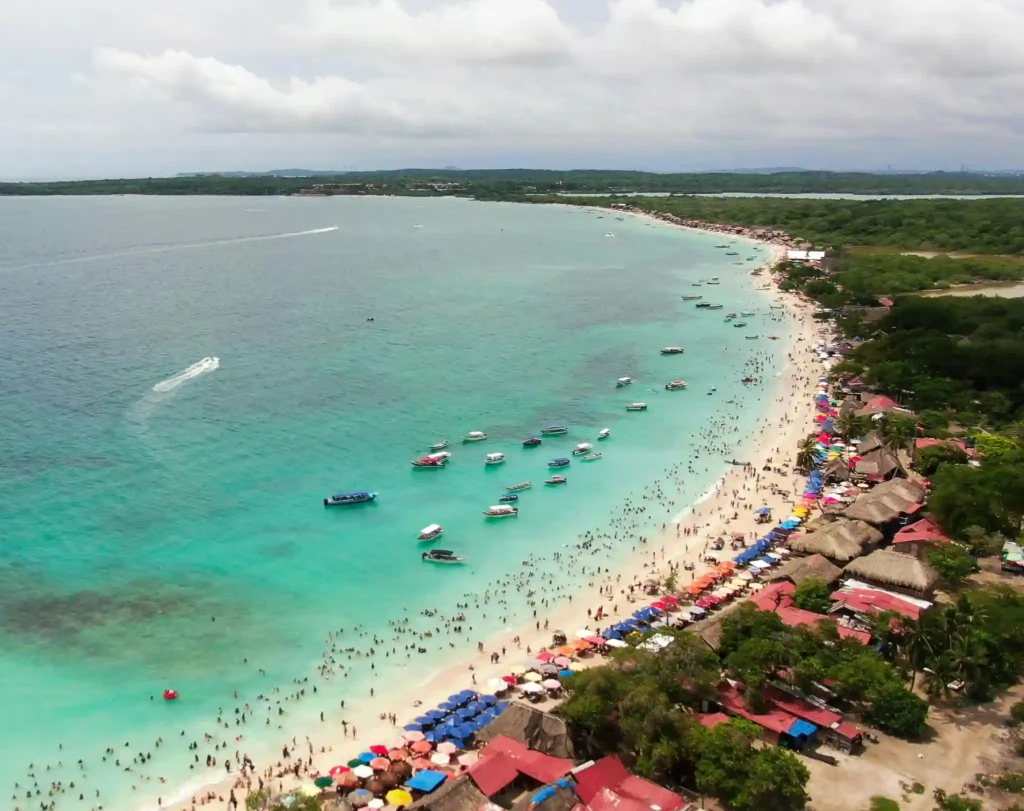
If you want the best overall experience, go between October and March.
This is when Balandra actually feels enjoyable rather than exhausting. The weather stays warm without being aggressive, the water is comfortable, and you’re not dealing with the peak heat or storm risk that hits in late summer.
Now here’s how to think about it:
If your priority is comfort → January to March is ideal
Some one want fewer people → May or June (but expect heat)
New to Balandra? Read this complete Playa Balandra guide to understand entry rules, access limits, and how to plan your visit properly.
A person sensitive to heat, it’s best to avoid visiting from July to September.
Most people don’t regret going to Balandra. They regret going at the wrong time of year.
Here’s the thing: La Paz is lovely year-round, but winter and spring avoid the worst of the summer heat. A recent travel guide notes that “Between December and April is the best time of the year for visiting La Paz … the weather is warm … but not unbearably hot, and there is little to no rain”. By contrast, the rainy season (July–September) can be oppressively hot and humid, so most travelers steer clear of those months unless they’re on a budget or want solitude.
Visiting in Winter (November – February)
Winter in La Paz is far from cold. You’ll enjoy mostly sunny days in the high 20s°C (mid-70s°F) with nights in the mid-teens°C. This is great weather for touring and photography – the light is crisp and it’s never sweltering. During these months, whale watching and other wildlife tours are in season (mid-Dec to March), so Balandra can get busy on weekends.
Pros: – Heat is low (no extreme summer temps), so hiking or walking the bay is very comfortable.
– The water (about 19–21°C in winter) feels refreshing but not frigid, great for snorkeling if you have a wetsuit or strong tolerance.
– Crowds are moderate (peak holiday tourism in Dec/Jan is a factor, but outside holiday weeks it’s quieter than spring break).
Cons:
– Water can be a bit chilly (especially early winter; around 19°C in Feb) – some may find it too cold for long swims.
– Nights can be cooler (low 50s°F), so pack a light jacket.
– Because Dec–Apr is the general high-season window for La Paz, things like hotels and tours may be pricier.
Still, if you want pleasant daytime weather and a peaceful beach vibe, winter is smart. Go early in the morning or weekdays to beat any rush.
Visiting in Spring (March – April)
Spring is arguably the sweet spot at Balandra. March and April bring warm (but not extreme) daytime temperatures, roughly 30–33°C – and almost zero rain. Humidity is still moderate. Crucially, the sea is warmer too (water climbing into the low 20s°C by April), making swimming and kayaking very pleasant.
Ideal for: swimming, snorkeling, kayaking, and simply relaxing on the sand. The water is around 22°C by April, which many find perfect – not too cold, not too hot – and the bay’s protection means the current is mild. This is a photographer’s dream time as well: clear skies and calm seas give those iconic turquoise shots.
Pros: Balanced, sunny weather with warm water; comfortable mid-80s°F days. Fewer concerns about rain or afternoon storms.
Cons: The only drawback is that this is still a popular season (spring break can push crowds up late March/early April). Book your entry bracelet well ahead to guarantee access.
In short, March–April offers the best of both worlds, summer warmth without the punishing heat or humidity.
Visiting in Summer (May – September)
If you thrive in heat, consider summer – but be prepared for extremes. May through early September bring intense heat and humidity. Highs regularly hit ~38°C (100°F), and shade is scarce. The hottest months (June–August) also have more frequent afternoon cloudbursts (monsoonal rains start in August, peaking in September). In other words: prepare for very hot, sticky days and possible rain showers.
Pros: If you don’t mind the heat, there’s an upside: peak season travelers have tapered off by summer, so Balandra sees fewer crowds. Hotel rates in La Paz often drop too. You’ll have more space on the beach – but not much space under an umbrella!
Cons: The midday sun is brutal. Even locals avoid the beach between ~11am and 4 pm. The sun’s UV is very strong (bring sunscreen, hats, etc.) and temperatures can feel oppressive. Rain in late summer (especially September) can suddenly cool things down, but it also makes the sandbars muddy and the short-lived thunderstorms sometimes wash out plans.
Travel tip: If you do visit in summer, aim for early morning. Arrive right when the park opens (8:00 am) to enjoy the coolest part of the day and calmer water. By midday, most people either take a break in town or pack up as the heat soars. Evening and sunset visits are nice too – the light is beautiful, and the air is a little cooler. But keep in mind entry closes at 5:00 pm.
Visiting in Fall (October)
October is a transitional month. It’s still hot (highs around 33–35°C), but humidity drops quickly after the late-summer rains, making the air feel more tolerable. Rainfall falls off sharply (around 21 mm total in October, down from 114 mm in September). Crowds begin to pick up again as winter approaches, but it’s still shoulder season (especially early October), so you may find better deals.
October can be a sweet spot for bargain-minded travelers who can handle some heat. The sea warms to its peak (~29°C in early Oct), so swimming and snorkeling are excellent. A big plus: crowds aren’t quite at December’s levels yet.
Pros: Warming beach weather, minimal rain, and fewer people (early month is particularly quiet). Often still cheaper rates.
Cons: It’s still very warm – not much change from summer aside from humidity easing. The visitor slots (450 people per slot) fill quickly on nice weekends.
Overall, if your schedule only allows fall travel, early October is pretty good, just be ready for summer heat.
Best Time to Visit Playa Balandra Based on Your Goal
Not everyone goes to Balandra for the same reason.
So instead of asking “when is the best time,” ask this:
what do you actually want from the experience?
For the most comfortable weather → January to March
Mild temperatures, low humidity, and easy conditions.
Best if you don’t handle heat well.
For swimming and water time → March to June
Water feels warmer, skies are clear, and conditions are ideal for staying in longer.
For fewer crowds → May to June
Tourist pressure drops slightly, but heat increases.
Good trade-off if you can handle sun exposure.
For photography → November to April (early morning or sunset)
Soft light, clearer skies, and better colors in the water.
For budget travel → Summer months (with caution)
Lower demand, but extreme heat and humidity can reduce enjoyment.
Most people try to optimize everything at once.
That’s the mistake.
Pick one priority: comfort, crowds, or visuals, and plan around that.
Best Time of Day to Visit Playa Balandra
Early morning (8:00 AM): This is usually the best time of day. The gates open at 8:00 am, and arriving right at opening means cooler air, fewer people, and perfect calm water. Many local guides and early birds advise arriving an hour before your slot to beat the line. At sunrise to mid-morning, the bay often looks like a glassy mirror.
Late afternoon/sunset: The second window (1:00 PM–5:00 PM) offers the bonus of a beautiful afternoon light. By 4–5 pm, you can catch sunset hues on the water. It’s a quieter vibe as well, since many early-shift tourists leave around noon. Just be mindful that 5:00 pm is closing time, so plan to wrap up any beach time by then.
Midday: Avoid the hours roughly 11 am–2 pm. This is the peak heat of the day, when the sun is highest, and shade is minimal. Temperatures spike, and the beach can feel like an oven. It’s also when both visitor groups overlap at the parking lot (switching shifts), so crowding and traffic can peak just before noon. In short, it’s best to be on the beach enjoying a swim or lunch instead of arriving at that hour.
Crowd Levels & Tourist Seasons
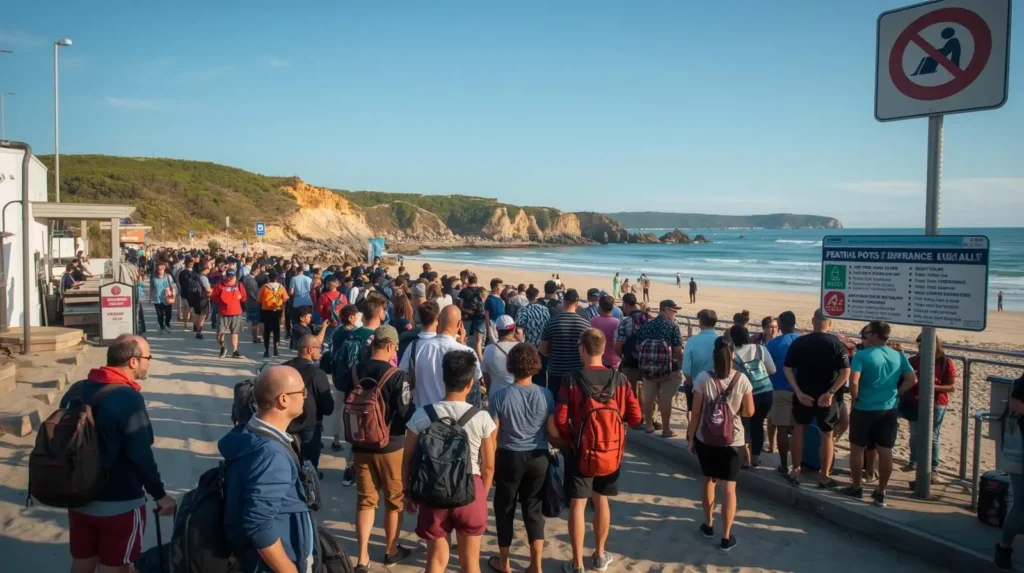
Playa Balandra has become extremely popular, and local authorities now limit visitor numbers year-round. They allow two shifts per day (8:00–12:00 and 13:00–17:00) with up to 450 people each. That means a maximum of 900 visitors a day. In practice, you can still face lines at the entrance, especially on weekends and holidays.
Peak Season: December through April (winter/spring) is the busiest time for La Paz. Folks chase the whales and sunny beach weather, so expect crowding. Weekends fill up faster than weekdays. The very first Sunday of each month is reserved for residents (the park is closed to tourists that day). If possible, plan for a weekday morning visit in high season.
Off-Season: May to October is quieter on the human front (at least until school breaks). The exception is the week around Easter, which often sees many Mexican tourists. Generally, summer heat keeps most visitors away, so you’ll share Balandra with fewer people. Even in the off-season, however, always purchase your digital entry bracelet in advance: slots can sell out online (they recommend buying at least 3 days ahead).
To summarize crowd strategy: book your digital wristbands early, aim for the first time slot of a weekday, and avoid weekends if you want some breathing room.
Best Time for Specific Activities
- Swimming: Essentially year-round, but the water is coldest in Feb–Mar (~19–20°C). For the comfiest swims, spring through early summer (March–June) is ideal: water 21–25°C, warm air, and minimal risk of rain. The tranquil lagoon makes even winter swims tolerable for those used to cool water.
- Kayaking/Paddleboarding: You can do this any time. Mornings are calm (no wind), which is perfect. Summer afternoons may see breezes off the desert, so head out early.
- Photography: Golden hours (sunrise and sunset) give gorgeous light on the bay. Aerial/drone shots (if you have the gear) really highlight the sandbars. Many visitors hike the short viewpoint trail above the beach in late afternoon for panoramic photos – timing that right yields classic Balandra panorama shots.
- Relaxation/Sunbathing: For lounging, winter is sweet: the weather is warm but not scorching, and fewer people means more space for your towel. Spring afternoons are lovely too. Summer mornings work if you catch the cool before midday heat.
- Hiking & Sightseeing: The small trail to Mirador Balandra and some coastal trails are best tackled in winter/spring mornings, to avoid the worst heat. The desert landscape blooms slightly after the summer rains (late summer/early fall), but it’s still dry terrain.
Biggest Mistakes First-Time Visitors Make
Most people don’t have a bad experience at Playa Balandra because of the beach.They mess it up before they even get in.Here are the mistakes that ruin the day:
- 1. Arriving late and missing the entry
Balandra runs on strict capacity. Once your time slot fills, you’re not getting in.
It doesn’t matter how far you traveled. - 2. Ignoring the time-slot system
You can’t just “stay longer.”
Each shift has a fixed exit time, and they enforce it. - 3. Not bringing essentials
There are no reliable food spots inside. Limited shade. Minimal facilities.
No water = bad experience. - 4. Relying on Uber for the return
Getting there is easy. Getting back isn’t.
Signal issues and availability can leave you stuck. - 5. Underestimating the sun
This isn’t a shaded beach.
Midday heat hits harder than most people expect.
If you avoid just these five mistakes, your experience at Playa Balandra becomes 10x better instantly.
Travel Tips for Visiting Playa Balandra
- Entry & Bracelets: Important: Balandra requires pre-booking. You must get a digital bracelet (cost 120 pesos, about $6 USD) in advance from the official site (CONANP’s website). This reserves your slot (8–12 or 13–17). Without a bracelet, you won’t be allowed in. Children under 12 and some locals enter free, but everyone else needs the bracelet. Arrive about 30–60 minutes before your slot to account for parking and security checks.
- Facilities: The park is minimally developed. There are a couple of public restrooms (bring small change to pay a token fee) and a few basic services only near the entrance. There are no restaurants, shops, or vendors on the beach. In fact, it’s explicitly an eco-park – pack it in, pack it out. Bring your own water, snacks, and any supplies.
- Shade: There’s very little natural shade. We strongly recommend bringing your own beach umbrella or pop-up tent, especially in summer. If you arrive early you might snag one of the few palapa umbrellas on-site, but they go fast. Sunscreen, sunglasses, and a hat are must-haves.
- Hydration & Sunscreen: The Baja sun is relentless. Carry plenty of drinking water – 2–3 liters per person is wise for a half-day under the sun. Reapply reef-safe sunscreen frequently, even if it seems cloudy. The combination of sand, water reflections, and high UV index means burns happen quickly.
- Clothing/Footwear: Sand is white and can burn bare feet. Bring sandals or water shoes. If you plan to hike (to the viewpoint or dunes), wear sturdy shoes. A lightweight cover-up or rash guard can help with sun exposure on the sand or during kayak trips.
- Respect the Park: This is a fragile ecosystem. Do not climb on the mushroom rock or disturb wildlife. Stingrays sometimes hide in the shallow sand – shuffle your feet to avoid stepping on them. Pack out all trash (there are no trash bins). Using eco-friendly sunscreen is recommended to protect coral and marine life.
What Most People Don’t Expect: The biggest mistake people make isn’t choosing the wrong month. It’s underestimating how exposed the beach is.
Here’s limited shade, minimal facilities, and once you’re inside, you’re expected to manage on your own. If you show up unprepared, even a “perfect weather day” can feel exhausting.
Plan like you’re going somewhere remote, not a tourist beach.
In short, come prepared as if camping on an isolated beach. Once you’re there, it’s stunning, but you must be self-sufficient.
Final Verdict: When Should You Go?
Your best time depends on what you prioritize.
- Budget traveler: Summer can be cheapest since prices dip. If you don’t mind the heat, you’ll find fewer crowds and deals on hotels. Just go early in the day to beat the sun.
- Comfort traveler: Aim for winter/spring (Nov–Apr). This will give you the most comfortable weather (warm days, cool nights) and reliably calm seas. It’s slightly busier/costlier, but you’ll have the classic beach experience.
- Wildlife/Photography: If you want the calmest light and maybe a chance to see whales off the coast, target December–March mornings. Early weekdays in high season are ideal for photos without heavy crowds.
- Adventure/Water sports: Spring (Mar–Apr) wins. Warm water, moderate air temps, and empty sandbars (fresh from high summer sandbanks) mean good swim/kayak conditions.
- Local vibe: If you want a more local experience and don’t mind heat, try the early summer off-season. Many locals still swim and picnic in June when tourists are scarce.
Basically, every season has something good – winter for ease, spring for balance, summer for solitude, and fall for budget deals. Keep in mind the strict entry rules year-round and pack accordingly. Wherever you fit on the traveler spectrum, with some planning you can pick a month and even a time of day that makes Balandra Beach magical for you.
FAQs
Q: What is the best month to visit Playa Balandra?
A: Generally, the best months are March through April (late spring). During this time the weather is warm and dry (around 30–33°C) and the water is comfortably warm. The guide above notes December–April as the ideal window overall, but if you want a single month, April often hits the sweet spot between summer heat and winter cool.
Q: Is Playa Balandra too hot in summer?
A: Summer in Balandra is very hot. Daytime highs in July–August often reach 38°C (100°F), with strong sun. If you go between May and September, expect intense heat and humidity. It can be enjoyable (fewer people and warm water), but plan to arrive early and take breaks. Protect yourself with shade, hats, and sunscreen if visiting during the summer.
Q: Can you swim year-round at Playa Balandra?
A: Yes – the Sea of Cortez is warm year-round. Even in winter, water temperatures hover around 19–21°C (suitably cool, but many still swim or snorkel with a thin suit). During summer, the bay can feel like a bathtub (~29–30°C). In practice, visitors swim in every season; just bring a wetsuit if you’re sensitive to cooler winter water.
Q: What time does Playa Balandra open?
A: The park has two visiting shifts: 8:00 AM–12:00 PM and 1:00 PM–5:00 PM. The gates open at 8:00 for the morning session. The beach actually closes at noon so staff can reset for the afternoon; everyone leaves and re-enters by 1:00 for the second half of the day. Plan to arrive before your chosen slot begins (aim ~30–60 minutes early) because lines can form even at opening time.
